Monday, September 10, 2012

It's Time For The YouTube Music Awards

YouTube logo image from Bobby Owsinski's Music 3.0 blog
There's been much hoopla over this year's Video Music Awards (VMA's), with everything about who won, who didn't win, the fights, the pouting, and finally, the low ratings. The fact of the matter is that the VMA's have long been obsolete, but sadly out of touch as well.

MTV, who sponsors the VMAs, is now a lifestyle channel and rarely plays videos any more. How can it have any award credibility if it's not in the game. That's assuming, of course, that it had any in the first place.

But here's the most damning indictment; some of the biggest videos that have been nominated in this past year (Gotye's "Somebody That I Used To Know" and Carly Rae Jepsen's "Call Me Maybe") have been a product of viral videos on YouTube. In fact, many studies point to the fact that YouTube is one of the main avenues of discovery for new music. When was the last time MTV could claim that? 1989?

That's why it's time for an music video awards show that's far more relevant to what's happening today - the YouTube Music Awards. Google, who owns YouTube, is already building broadcast facilities and gradually dipping their toe into television, and this would be the perfect way to start it off.

Just image how they could tie it all together. Do a live stream on YouTube Live and GoogleTV in conjunction with a TV network, and tie in the social with a massive Google+ Hangout. In fact, I volunteer my services as exec producer, if you're listening Google, because the YouTube Music Awards is an idea who's time has come.

-----------------------------------
You should follow me on Twitter for daily news and updates on production and the music business.

Check out my Big Picture blog for discussion on common music, engineering and production tips and tricks.

Sunday, September 9, 2012

Here Comes Apple's Streaming Service

Streaming Music image from Bobby Owsinski's Music 3.0 blog
It's been predicted for years, but it looks like Apple is finally entering the realm of streaming music. Reports from The Wall Street Journal now indicate that the computer and music giant has been in talks with the major labels to create a custom service similar to Pandora's that would create virtual music streams based on a listener's song or artist choices. The report also states that the new service would not be available on Android devices, which is Apple's way of maintaining a strong grip on its online music market share.

There's already competition in this space, since iHeartRadio and Spotify besides Pandora offer an algorithm that make custom song choices. Rumor has it that Apple's service will be different in that it will offer a lot greater interactivity than any of the other services however, and their license fee to the labels will be larger as a result.

That said, you can see the shakeout coming already. Pandora's stock fell 17% on Friday, and you'll see a giant change overnight not only in that part of the industry, but online music in general if Apple's service comes to pass.

-----------------------------------
You should follow me on Twitter for daily news and updates on production and the music business.

Check out my Big Picture blog for discussion on common music, engineering and production tips and tricks.

Thursday, September 6, 2012

Making A Living In Music Is The Same Everywhere

We have one of the most sophisticated networks for making money from all aspects from music in the United States, but when it comes down to it, it's not that different from some of the less developed entertainment areas of the world.

Take Nigeria, for instance. The music business is primitive in so many ways, but when you dig deep into it, it's exactly the same as the US if you're a DIY artist and not a huge corporation. Here's an interesting video interview of Rapper LD on SmartMonkey TV that illustrates the point. LD is smart and hip, and has been at it long enough that he knows just what to do in Nigeria. My guess is that he'd make it in the States in a minute.


-----------------------------------
You should follow me on Twitter for daily news and updates on production and the music business.

Check out my Big Picture blog for discussion on common music, engineering and production tips and tricks.

Wednesday, September 5, 2012

Who Buys The Most Music? Top 40 Listeners

radio image from Bobby Owsinski's Music 3.0 blog
There's a new study conducted by The Media Audit that reveals what most of us already thought to be true; Top 40 radio listeners purchase the most music. The study looked at the habits of 41 million users across 81 markets and found the following:
  • 42.8% of Top 40 listeners frequently purchase CDs or downloads
  • 27.7% of all US consumers frequently purchase music (who would've thought it would be that high?)
  • 39.2% - Urban listeners
  • 38.3% - Hot AC (adult contemporary)
  • 36.4% - Rock
  • 34.1% - Urban AC
  • 33.2% - Sports
  • 32.7% - Public Radio
  • 31.5% - Classic Rock
  • 30.4% - AC
Frequent purchases are defined as having purchased a CD or download within the last four weeks.

To break it down even further:
  • 49% are female
  • 46.6% are between the ages of 25 to 44
  • 67% are between the ages of 18 to 44
And finally, in a figure that should be no surprise at all, frequent music buyers are more likely to have a college degree and have a higher income, with the average household income being $76,739.

The bottom line, there's still a lot of music being purchased, it's just not making its way back to the artists and songwriters.

-----------------------------------
You should follow me on Twitter for daily news and updates on production and the music business.

Check out my Big Picture blog for discussion on common music, engineering and production tips and tricks.

Tuesday, September 4, 2012

Twitter Commerce With Chirpify

Chirpify logo image from Bobby Owsinski's Music 3.0 blog
For many artists, Twitter is a great tool for promotion, but the problem until now was that you couldn't directly use it for commerce. Now a new platform called Chirpify provides that ability.

The way it works is that the artist uploads digital content to a Chirpify dashboard, then click's to tweet. The consumer connects their Twitter and PayPal accounts via Chirpify and simply replies to the tweet by the artist. Chirpify then sends a secure download link via a direct message or an email to download the digital content, merch or even a ticket.

Chirpify takes a reasonable 4% commission along with any PayPal fees, although the company has flat monthly pricing for labels or major users.

One of the big early users has been Amanda Palmer (there's that name again), who recently about $19k worth of T-shirts in 10 hours using the service. I don't know anything about her music, but she sure knows how to make money.

If you're a big Twitter user, take a look at Chirpify. It just might be another revenue source.

-----------------------------------
You should follow me on Twitter for daily news and updates on production and the music business.

Check out my Big Picture blog for discussion on common music, engineering and production tips and tricks.

Monday, September 3, 2012

Can Live Concert Streaming Become A New Revenue Source?

Concert Window logo image from Bobby Owsinsk's Music 3.0 blog
Here's an idea who's time might have finally come. You can't get enough of your favorite artist or band but you just don't have the ability to follow them on tour. Wouldn't it be great if you could watch their show at home? Now maybe you can, thanks to Concert Window, a new service that provides live streams of concerts for just $3 per show.

Concert Window splits the proceeds with both the artists and the venues, giving both not only a new revenue stream but also a new avenue for exposure. Of course, this has been tried by venues before over the last ten years or so, but what stopped it in its tracks with larger artists was the issue of rights ownership. If you shoot the show, who owns the video?

This issue is circumvented by the fact that the show is streamed only and not archived. Everyone gets paid fairly (a third each) for that show only, so there's no worry as to what happens to the file afterwards. As far as the technical end, Concert Window has a simple turnkey solution that their team will install in a new venue, and requires no tech skills as far as the production is concerned except for a wi-fi connection.

Right now it looks like there are only 10 venues signed on from all over the country, and the majority of artists aren't what you'd call household names, but there does seem to be a need for this service if it can grow on a larger scale. Hopefully it will survive and prosper.

-----------------------------------
You should follow me on Twitter for daily news and updates on production and the music business.

Check out my Big Picture blog for discussion on common music, engineering and production tips and tricks.

Sunday, September 2, 2012

7 Steps To Make Your Merch Table Magnetic

The Merch Table image from Bobby Owsinski's Music 3.0 blog
I'm a huge fan of CD Baby's DIY Musician blog, and almost every week they have at least one post that's full of killer info. Here's a post called "7 Easy Ways To Attract Fans To Your Merch Table" that I thought was fantastic. You can read the entire post here (the tips at the end about LEDs is worth it), but here are the 7 steps that cut right to the heart of the matter.

1. Make it intriguing. Capture the attention of concert attendees before they hear a single note. 

2. Avoid clutter. Clearly display the products for sale and their prices.


3. Quickly convey your artist aesthetic. It is an extension of you and should “jive with your vibe.”


4. Make it accessible. The merch booth has got to be easy to get to, unobstructed, and clearly visible to many people at once so long lines don’t hinder sales opportunities.


5. Diversify. Offer a few different items (CDs, t-shirts, stickers, mugs, etc.) and bundle them together for a reduced price to entice fans who might be on the fence.


6. Get your email list up there front and center. The merch booth is your opportunity to attract new fans even if they don’t buy anything. This may be the only chance you have to turn a stranger into a lifelong fan, so on’t miss it!


7. Be visible at the booth following your performance. If you’ve created a moment on stage that made a fan say to themselves “I need to take some memory of this home with me” then what better way to ensure a lasting connection than to have a conversation with your audience after the show.

Merch should be one of your main sources of income, but it can only happen if you present it well. 
-----------------------------------
You should follow me on Twitter for daily news and updates on production and the music business.

Check out my Big Picture blog for discussion on common music, engineering and production tips and tricks.

Thursday, August 30, 2012

When Public Domain Isn't Really Public

NASA Curiosity image from Bobby Owsinski's Music 3.0 blog
There are a lot of horrifying things happening in the world today when it comes to artist's rights, but the following might be one of the worst. Now the major publishing companies are claiming they own songs in the public domain.

According to an article in TechDirt by Mike Masnick, musician Dave Colvin has been recording his own versions of Public Domain songs like the Christmas classic "O Little Town of Bethlehem," and each time he's posted one on YouTube, he receives a lawyerly email from either Warner Chappell, Universal Music Publishing or Sony claiming that they own the rights and he must cease and desist. Not only that, now YouTube is threatening to disable his account as a result.

Just to refresh here, Public Domain means that the public is free to use these songs because no one owns them! You are absolutely able to make money from them if you can, but you can't stop others from making any money either. Talk about power hungry, it's not like these publishing companies aren't making enough money already.

Colvin is trying to monetize the PD songs in his channel (which amounts to only pennies anyway), but now the majors are trying to stop him from doing even that.

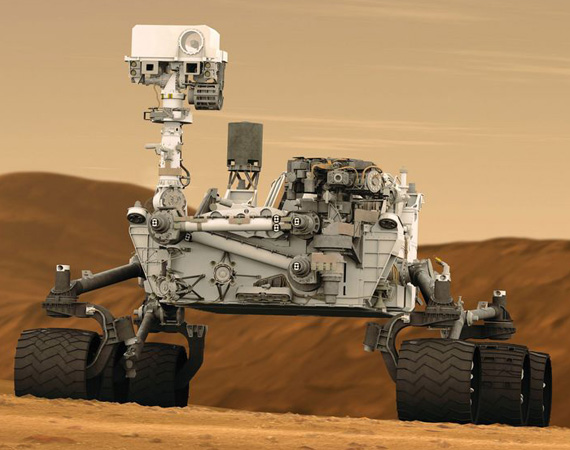
But guess what, even NASA has had the same problems lately when their own feed of the Curiosity landing on Mars was blocked because Scripps News claimed they owned the copyright! Now imagine, NASA is publicly owned (which means by you and me and everyone else), and some slimy news organization says they own it just because they rebroadcast the feed as well?

Obviously this is all getting out of hand and just screams for new regulation, or at least that the current regulators be more vigilant. It's also another good reason why the Universal/EMI merger is not good for the industry. Giant companies don't need any more leverage than they already have.

-----------------------------------
You should follow me on Twitter for daily news and updates on production and the music business.

Check out my Big Picture blog for discussion on common music, engineering and production tips and tricks.

Wednesday, August 29, 2012

7 Website Mistakes Musicians Make


Mistake image from Bobby Owsinski's Music 3.0 blog
As I wrote in a number of previous posts, having a website is important to any artist or band. It's not enough to have just a Facebook page anymore, a dedicated site is needed if you really want to control your message and build your tribe. Here's an excerpt from Music 3.0: A Survival Guide For Making Music In The Internet Age that are common mistakes that artists and bands make when they don't pay careful enough attention to the dedicated sites.

1) No contact info. This is the worst offense of all. You can have a website that looks great and has tons of great stuff about the band, but it will all be for nothing if people can't reach out and touch you. This means they can't send you an email to book you for a gig, to ask you to exchange links, to become your fan, to buy something, or to complain about something. Music 3.0 is all about communication with your tribe, so displaying your contact info so it's easy to find is job #1.

2) No mailing list registration. If you don't have a mailing list, now is the time to create one. It's the main way to reach out to your tribe. Consider it your marketing arm for telling your fans when you have a new release or when and where you'll be gigging. Make this really obvious because it's one of the main reasons for having your own website.

3) No easy way to purchase your music. It has to be both obvious and easy to buy one of your tunes or CD's. Don't make someone go find it. Either sell it directly from your site or have a direct link to iTunes, Amazon, CDBaby or any other distributor you're using. Make sure you go through the process yourself to make sure the process is completely easy and seamless.

4) Too much information. Don't make the pages of your site so loaded with photos and text that they're difficult to read. Try to keep the text down to 300 to 400 words, and make sure there's a lot of white space. Check out some of the artists and bands you really like for ideas.

5) Bad links. Everyone hates bad links. Your fans will loose interest and Google will penalize you in the search engine rankings. That's why it's important that every link works on your site, and every incoming link to your site work as well (which is a given, because you won't even have visitors if the links are bad to begin with).  Consider the "Error 404 Not Found" prompt as the worst thing that can happen on your site.

6) Bad email address. Almost as bad as a bad link is a bad email address that bounces. Fans find this very disrespectful. Sending them to an email address that you never check is almost as bad. Make sure that the address works and is forwarded to the address that you check every day. Make sure you answer any email within 24 hours.

7) No Press section. While not having a press section on your site is not fatal, having one is a sign of professionalism and will be a big help to anyone trying to book you or write about you. See this previous post for more about what your website press section should be.

These are mistakes that usually result from not giving your site enough attention in the first place. They're easy to correct and totally necessary to avoid in order to maintain and build your tribe, and facilitate any marketing and sales efforts.

For more excerpts from Music 3.0 and my other books, go to the excerpts section of my website.

-----------------------------------
You should follow me on Twitter for daily news and updates on production and the music business.

Check out my Big Picture blog for discussion on common music, engineering and production tips and tricks.

Tuesday, August 28, 2012

Get Kickstarter Analytics Data From Kicktraq

With so much data available on just about anything you can think of when it comes to social media and the web, the one area that's come up short in that regard has been crowdfunding, as up until now there were no serious analytical tools available. Now that looks to be resolved with a sort of Google Analytics tool for Kickstarter called Kicktrag.

Kicktraq allows you to see inside a campaign in more detail than ever before. You can see the Funding Progress over time, the Pledgers and Backers by day, how the campaign is trending, and the final projections for it. Check out one of the data screens below.

Kicktrag data screen image from Bobby Owsinski's Music 3.0 blog

While I'd like to see how much progress each pledge level is getting as well, Kicktraq still gives you a better idea of exactly where you're at during the campaign than what was available before. Remember that as little as a single tweet can make the difference in the outcome of a campaign. Now you can actually see its effect when it happens.

-----------------------------------
You should follow me on Twitter for daily news and updates on production and the music business.
Check out my Big Picture blog for discussion on common music, engineering and production tips and tricks.

Monday, August 27, 2012

5 Steps To Optimizing Your Professional Profile

Google rank image from Bobby Owsinski's Music 3.0 blog
If you're a producer, engineer, musician or just about anyone in the music business, it's important that you're clients don't forget you and potential clients can find you. That's why it's important to have a professional profile on as many social networks as possible. Here's a great list as to how to keep that profile fresh and up-to-date. The points are from a post on Mashable, but the explanations are mine.

1. Keep your profile up to date. Every time you get another gig, make sure you post it. It may not seem like something worth mentioning, but you never know when it might impress a potential client.

2. Refresh your keywords and specialties. What are the terms that best describe what you do? Make sure you find those terms and use them as keywords. Remember that a keyword works best as a phrase, not a single word.

3. Be everywhere. Don't limit yourself to just Facebook. All of the major networks are important, so not is it time to add a profile to Linkedin, Twitter, Google+ or even create a personal blog.

4. Get the recognition you deserve. Make sure that you post any awards or significant accomplishments. Now is the time to brag a little, but don't don't exaggerate, since people can usually see through it and it negates anything positive that you might get from the accomplishment.

5. Request a quote. The best thing is to get a quote from a client about either the work you've done or what it's like to work with you. That goes a lot further than most of the formal "recommendations" that many sites provide.

These 5 steps are fast and easy to do, but just like with most social media, the key is consistency.
-----------------------------------
You should follow me on Twitter for daily news and updates on production and the music business.

Check out my Big Picture blog for discussion on common music, engineering and production tips and tricks.

Sunday, August 26, 2012

Is The RIAA Dying?

MPAA-RIAA lobbying image from Bobby Owsinski's Music 3.0 blog
For much of the last 10 years, the Recording Industry Association of America (RIAA) has been a symbol of what's wrong with the music business. Traditionally the major record label's lobbying group, it also serves the purpose of declaring gold (500k units), platinum (1 million) and diamond (10 million) awards to the biggest selling records, but when it became the anti-piracy arm of the labels, most musicians and consumers agree it went too far. Suing your customers never bodes well for an industry and that's just what they did, raising a great deal of animosity towards the recording industry and never making a dent in piracy despite the huge amounts of money spent in the courts.

Now it looks like the record label's contraction is finally taking its toll on the RIAA, as their revenue has dropped by 45% over the past two years, from $51.35 million to $29.1 million. Why? There are fewer labels to contribute to their coffers for one thing, but also the fact that the remaining labels are making less money means that they pay less, since that's how the membership dues are determined.

As a result, you'll notice that the association has quietly called a halt to lawsuits against individual file sharers. It's just too expensive, since the reason why the file sharers are doing it in the first place is they don't have any money. Even if they win, they lose since you can't get blood from a stone. Going after Pirate Bay and Megaupload is a lot more efficient, although I think the reason why piracy is falling has to do more with the natural progression of subscription and free streaming models like Spotify and Pandora than anything the RIAA ever did.

What the RIAA is still doing to lobbying politicians to support its legislative agenda, with reports that they've spent as much as $90 million dollars over the last decade (should that have gone to artists instead?). Most recently, the association has been hitting congress and the courts hard trying to make it the ISP's responsibility to either block any file sharer or turn over their names for prosecution. Don't expect that to happen any time soon, thankfully.

The point is, with its cashflow down and threatening to decrease every year from now on, could the days of the RIAA be numbered?

-----------------------------------
You should follow me on Twitter for daily news and updates on production and the music business.

Check out my Big Picture blog for discussion on common music, engineering and production tips and tricks.

LinkWithin

Related Posts Plugin for WordPress, Blogger...