Showing posts with label ADA. Show all posts

Tuesday, March 4, 2014

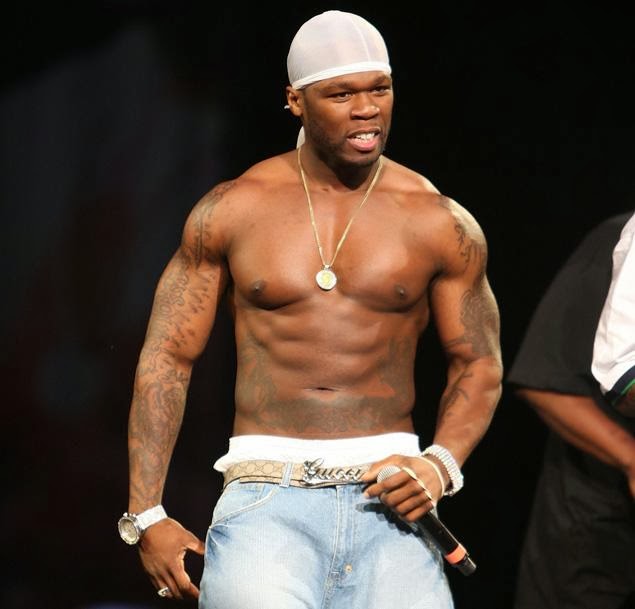
50 Cent The Latest To Exploit The Music Industry’s Newest Business Model

50 Cent image
It was announced recently that rapper 50 Cent is leaving his previous record label Shady/Interscope for a new home with Caroline, the label services division of Universal Music Group. The artist and his G-Unit imprint joins a number other artists like Macklemore & Ryan Lewis, Korn, Peter Gabriel, and Prince who chose to leave the comfort of a traditional major label (Shady/Interscope is a subsidiary of the giant Universal Music Group) record deal behind in favor of going independent, but with a new twist. Now the label’s once exclusive services are for hire instead of available only as a byproduct of a traditional recording agreement.

What we may be witnessing is the dawn of a new age in the music business as all the major labels have set up separate divisions to be able to offer their services and expertise on an a la carte basis. Need physical distribution, radio promotion, digital strategy or product development? If you’ve got the money or the audience, you can hire their expertise for these services plus a lot more. Where once upon a time, an artist signed exclusively with a record label for a number of albums, the new label services deals can be for a single album at a time, with none of the traditional multi-record contractual strings attached.

Although some were faster into the space than others, all the majors are now represented. Sony Music has its Red Associated Labels unit, Warner Music Group has Alternative Distribution Alliance (ADA), while Universal Music owns Caroline. In addition, there’s also BMG, which began the trend in 2008 when it sold its traditional record business to Sony to concentrate on artist rights management, as well as the independent Kobalt Label Services and in the UK, Cooking Vinyl.

The reasons why an artist might want to consider such an arrangement are many. First of all, there’s the issue of artistic control. In a traditional record deal, the artist and the record label are in a partnership, with the label as the senior partner. The stories about clashes on creative direction between the artist and label execs are legendary, but all this is alleviated when the artist is independent and hires the label services on a “as needed” basis. The artist is now the boss when it comes to product creation, but the responsibility for making it or breaking it are on his shoulders alone. Read more on Forbes.
----------------------------------

You should follow me on Twitter and Facebook for daily news and updates on production and the music business.

Check out my Big Picture blog for discussion on common music, engineering and production tips and tricks.

Sunday, January 19, 2014

The New World Of Label Services

Macklemore and Ryan Lewis image from Bobby Owsinski's Music 3.0 blog
It all started with Macklemore and Ryan Lewis. Instead of signing a typical record deal with a major label, they opted instead to pay Warner Bros promo department to work "Thrift Shop" to radio, taking advantage of one of the attractive strengths that major labels still have to an indie artist. Thanks to Warner's muscle in this area, the song went on to be a world-wide hit, turning the team from modest success story to superstars.

Previously, in order to receive all the marketing and distribution clout of a label you had to sign a recording agreement with them that entitled you a split of the net revenue of between 12 and 15%. Today with an artist able to do so much of the work himself, it's no longer necessary or desirable to sign such a deal. There still are some services that only a major label does well (like CD distribution and radio promotion) that are desirable, and now all the majors have developed their own "label services" divisions to make those services available to indie artists.

For instance, Sony Music provides label services through its Red Associated Labels, Warner Music Group through its ADA unit and Universal Music has it's Caroline division (which handles Peter Gabriel and Korn). Plus BMG transitioned totally to label services when it sold its record label to Sony in 2008 and now handles Back Street Boys, Bryan Ferry and Anastacia, among others. Plus there's Kobalt (Pet Shop Boys and Prince) and in the UK, Cooking Vinyl (Madness and Amanda Palmer), as large indies getting into the arena.

While a brand new artist might not be able to afford these services, any artist with a small measure of success probably can, and should. Label services are a fast rising revenue generator for the industry, and truly a symbol of the new music business. It's a win-win situation for the artist and the label. The artist stays independent and gains the clout of the label, and the label gets added revenue without having to bankroll a new artist.

If you ever wanted to see the face of Music 3.0, this is it.
----------------------------------

Follow me on Forbes for some insights on the new music business.

You should follow me on Twitter and Facebook for daily news and updates on production and the music business.

Check out my Big Picture blog for discussion on common music, engineering and production tips and tricks.

LinkWithin

Related Posts Plugin for WordPress, Blogger...